- 0 views
- By Caroline McNally
As icy weather sweeps across the Northeast New England region today, residents are feeling the familiar sting of winter’s toughest conditions — and so is the power grid. Freezing rain, sleet, and gusty winds don’t just coat neighborhoods in shimmering frost; they place enormous stress on the wires, poles, and equipment that keep electricity flowing. Winter storms like this highlight how delicate the balance is between engineering strength and nature’s relentless pressure.
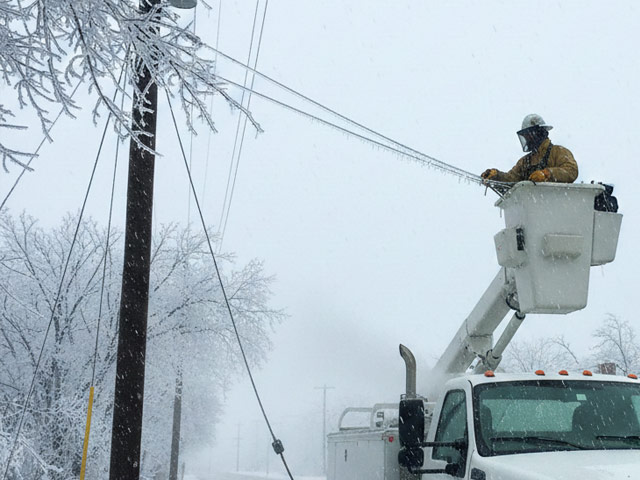
One of the biggest challenges utilities face during ice events is the dramatic increase in weight on power lines. A thin layer of ice may not look like much, but once it forms along a span of conductor, the added mass multiplies quickly. Over hundreds of feet, that buildup can translate into thousands of pounds of extra force pulling on the line and supporting structures. Poles can lean, hardware can strain, and conductors may sag lower than they were ever designed to.
The risk doesn’t end with the wires themselves. Trees and branches exposed to freezing rain can become far heavier than normal as ice envelops them. That added weight makes limbs more likely to snap or bend into nearby lines. Even when the storm begins to ease, shifting or melting ice can cause sudden movements, changing the way the tension is distributed and sometimes triggering faults or outages after the worst of the weather seems to have passed.
Wind adds another layer of complexity — and sometimes creates one of the most dramatic winter power line effects: galloping. When ice forms unevenly on a conductor, it can take on an aerodynamic shape. As strong winds rush past, the line doesn’t just sway; it can begin to bounce and loop in large rhythmic motions. This “galloping” movement can cause lines to clash, hardware to break, or equipment to disconnect, even when there’s no direct storm damage visible from the ground.
Engineers plan for these possibilities by designing lines with extra clearance and, in some locations, installing devices meant to reduce galloping motion. But no design can completely eliminate the effects of extreme weather events. When conditions like today’s strike New England — icy coatings paired with stiff winds — utilities mobilize crews, monitor system loads, and prepare to respond quickly as conditions evolve.
For the public, awareness becomes a crucial part of safety. A line that appears intact may still be under extreme tension or moving subtly in the wind. Downed or swinging wires should always be treated as energized and dangerous, and reported immediately to local utilities. Staying clear of icy trees, leaning poles, or sagging lines helps keep both residents and repair crews safer during storm response.
As the region rides out today’s winter blast, it’s a reminder that power delivery is more than a simple connection from pole to home — it’s an intricate system constantly tested by the elements. Ice and wind may be part of winter’s beauty, but they also reveal just how much strength, planning, and resilience it takes to keep the lights on when nature puts the grid on thin ice.
If you’re in need of rapid storm response services, emergency utility repairs, or infrastructure restoration, Maverick Storm Services is ready to mobilize. Our experienced crews specialize in restoring power, communications, and critical utility systems following severe weather events, ensuring communities and businesses can recover quickly and safely.
We remain fully equipped and on standby year-round with storm-hardened utility crews, advanced equipment, and proven response protocols. From downed power lines and damaged substations to fiber, wireless, and grid infrastructure repairs, our team is prepared to deploy at a moment’s notice to support utilities, municipalities, and private operators during and after major storms.
To learn more about our storm preparedness capabilities, disaster recovery services, or to request immediate assistance, contact Maverick Storm Services today. Our commitment to safety, reliability, and rapid response makes us a trusted partner in utility storm restoration and emergency response operations.


