- 0 views
- By Caroline McNally
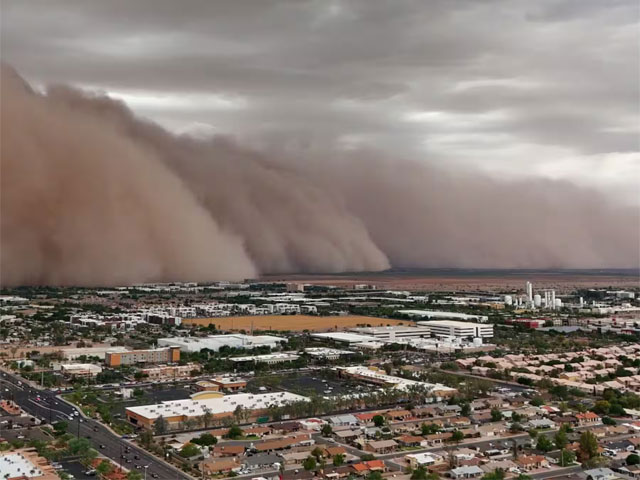
Imagine you’re out in the desert, and suddenly, the sky turns an eerie, apocalyptic dark. Dust and sand surge across the landscape in a massive wall, moving swiftly like a freight train of nature—welcome to the world of the haboob.
What Is a Haboob?
A haboob is an intense dust storm formed when cold downdrafts from thunderstorms sweep across arid terrain, lifting loose dust and sand into a towering, dense dust wall. These storms can span miles in width and rise thousands of feet high, often arriving with little warning and packing wind speeds between 22 to 62 mph—though faster winds are possible.
While the term “haboob” comes from Arabic and was traditionally used to describe dust storms in places like Sudan, it has gained widespread use in the U.S., particularly in Arizona.
Arizona’s Recent Haboob: A Real-Life Example
In late August 2025, Arizona experienced a dramatic haboob that brought chaos and awe in equal measure:
- A towering dust wall engulfed Phoenix and surrounding areas, turning day into near-blackness. Visibility dropped so low that seeing more than a few feet ahead became nearly impossible.
- Wind gusts reached up to 70 mph at Phoenix Sky Harbor International Airport, with other areas seeing similar speeds—enough to shred roofing materials and leave hazardous debris fluttering in the air.
- Thousands lost power; traffic signals went dark; trees and power lines came down. Airport operations were disrupted, flights delayed or grounded, and emergency warnings flooded drivers with alerts urging them to “pull aside and stay alive.”
- In Arizona City—about 60 miles southeast of Phoenix—one mother described being trapped in the storm in her car with her children; they could taste the dust and felt rattled by the gale-force winds.
- In some neighborhoods, residents said the darkness felt like night; others captured haunting time-lapse footage of places like Arizona State University’s stadium being swallowed by dust.
- Southwest Arizona’s first major haboob this year coincided with damaging winds sweeping across Nevada’s Burning Man festival, causing structures to collapse.
Why Do Haboobs Matter?
These storms pose serious hazards:
- Dangerous for Drivers: With visibility nearly zero, driving becomes treacherous. The National Weather Service advises drivers to pull off the road, set the emergency brake, and avoid using lights that could confuse others.
- Public Safety Risks: Power outages, debris, and damage to infrastructure create widespread disruption.
- Health Concerns: Dust-laden air can aggravate respiratory conditions or even trigger infections like Valley Fever due to fine particulates.
- Climate Context: While it’s still unclear if haboobs are becoming more frequent, intensified monsoons, longer droughts, and human land use may amplify their severity.
How Communities Respond
In some regions, technology is stepping up to save lives. Along a stretch of I-10 in Pinal County, Arizona, sensors detect dusty conditions and automatically activate overhead boards to warn drivers and reduce speed limits—from 75 to 35 mph if needed. During the recent haboob, this system worked as intended, helping prevent accidents despite not being fully operational yet.
A Name That Stuck
Though locals used to simply call them “dust storms,” the dramatic July 2011 haboob in Phoenix introduced the Arabic term into everyday language. The massive wall of dust, captured in viral photos and video, cemented the word “haboob” in regional—and national—vocabulary.
Final Thoughts
Next time you hear someone mention a haboob, remember: it’s not just poetic weather talk—it’s a powerful meteorological force. These storms can bring awe-inspiring, wall-of-dust drama… but also danger and disruption. If you ever find yourself in one, take cover, heed warnings, and stay safe.
If you’re in need of storm response services or want to discover how Maverick Storm Services remains equipped and on standby, please get in touch with us.


