- 0 views
- By Caroline McNally
Hurricane Helene, which made landfall in September 2024, stands as a powerful example of the growing intensity and destructiveness of modern storms. Its unprecedented size, strength, and speed have left a lasting mark, particularly in the southeastern United States, where communities are grappling with its aftermath. Helene’s impact has now been etched into the history of extreme weather events, cementing it as one of the most significant hurricanes of our time.
A Monster in Both Scale and Speed
One of the defining features of Hurricane Helene was its sheer size. Spanning over 500 miles across, the storm engulfed entire regions at once, impacting both coastal and inland areas simultaneously. While size alone is a concern, Helene’s speed exacerbated the destruction. With rapid intensification in the days leading up to landfall, Helene reached wind speeds well beyond traditional Category 4 thresholds. This combination of scale and velocity contributed to widespread devastation in its path, from the coastal Carolinas to the Appalachian Mountains.
Helene’s size made it nearly impossible for any region to fully escape its impact. Even areas hundreds of miles inland, traditionally safer from direct hurricane effects, experienced severe weather conditions. The storm generated not just intense winds but also torrential rain, leading to historic flooding in regions like western North Carolina.
Historic Flooding and Inland Destruction
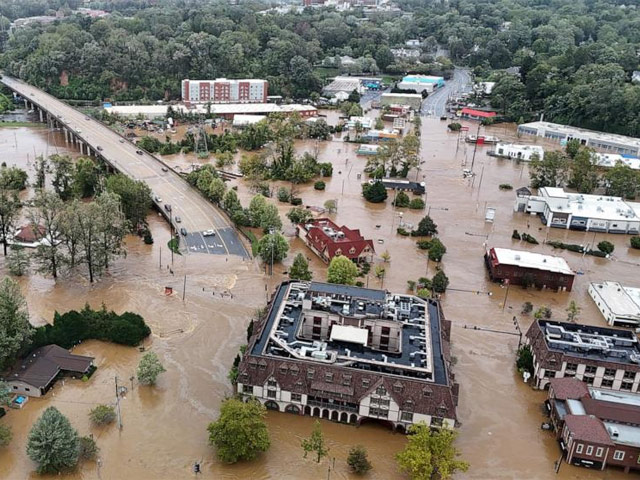
One of the most alarming aspects of Helene’s legacy is the catastrophic flooding it caused in regions not typically accustomed to hurricanes. Western North Carolina, with its mountainous terrain, became a prime example of the storm’s unprecedented inland reach. The excessive rainfall caused rivers to overflow, leading to flash floods that swept through small towns and rural areas. This flooding, in particular, shattered records for river levels and flood stages, leading to a massive emergency response.
Many areas in western North Carolina experienced infrastructure damage, with roads washed out and power outages persisting for days. The storm highlighted vulnerabilities in the region’s ability to handle the immense volume of water dumped by hurricanes, particularly when they hit areas far removed from the coast. The historic flooding of Helene signals a growing risk as hurricanes intensify, making inland regions less immune to their destructive power.
Helene and the Future of Hurricanes
Hurricane Helene’s rapid intensification just before landfall is a concerning trend observed more frequently in recent years. Traditionally, storms would take longer to reach peak strength, giving communities time to prepare. However, Helene became what scientists are calling a “monster storm” in a very short span of time, leaving cities with limited time to brace for the worst.
As hurricanes gather more moisture and wind energy, their destructive potential increases. Helene is a reminder that storms are not just getting stronger but also faster, leaving less margin for error in preparation and response.
A Call for Greater Preparedness
The devastation left by Hurricane Helene underscores the need for a more robust approach to hurricane preparedness. The sheer size and speed of the storm took many by surprise, and while coastal areas have long been the focus of hurricane preparedness, Helene’s inland destruction highlights a broader need for infrastructure improvements, especially in regions not traditionally impacted by such storms.
Updating flood management systems, reinforcing power grids, and improving communication channels for emergency responses are critical steps to ensure communities are better equipped for future storms. As storms like Helene grow in intensity, proactive measures must be taken to mitigate their impact.
Conclusion
Hurricane Helene will be remembered not just for its size and speed, but for the lessons it imparted on the need for greater resilience in the face of more intense storms. As the storm continues to shape policy discussions around disaster preparedness, its legacy serves as both a warning and a call to action. Communities must adapt to a future where hurricanes of historic proportions may become the new norm.
If you’re in need of storm response services or want to discover how Maverick Storm Services remains equipped and on standby, please get in touch with us.


