- 0 views
- By Caroline McNally
When Typhoon Fung-Wong swept across the Philippines, it left behind a trail of widespread destruction — uprooted trees, collapsed power lines, and flooded communities. For millions left in the dark, power restoration has become a top priority. Behind the scenes, utility service companies are mobilizing massive recovery efforts to rebuild essential systems and bring stability back to affected regions.
Assessing the Damage and Ensuring Safety
Before any repairs begin, safety comes first. Downed power lines, flooded substations, and unstable structures pose significant risks to both residents and utility crews. Teams are deployed to survey the most heavily affected areas, using drones and ground patrols to identify broken poles, damaged circuits, and inaccessible routes. Coordination with local authorities ensures that all work zones are cleared of hazards before restoration begins.
Restoring Critical Power First
Hospitals, emergency centers, and communication hubs are the first to receive restored service. In large-scale outages, establishing temporary power is crucial. Utility companies deploy mobile generators, temporary transformers, and reroute circuits to supply essential facilities while the main grid is repaired. This phase focuses on stabilizing the grid and preventing further cascading failures from equipment overloads.
Replacing Poles, Wires, and Transformers
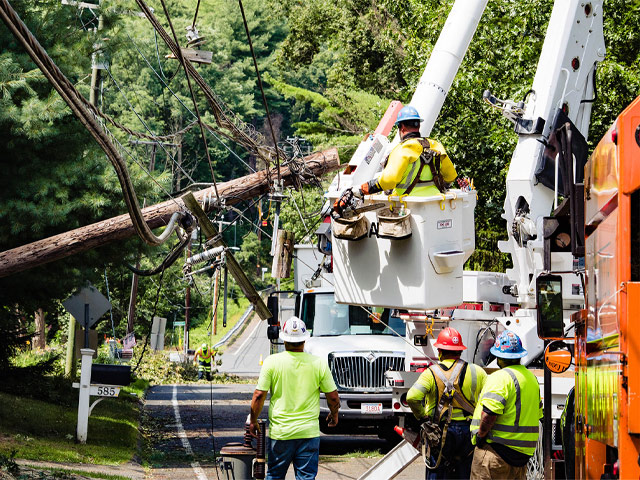
With thousands of poles and lines damaged, the core of recovery lies in physical rebuilding. Teams work in difficult terrain to replace snapped poles, restring conductors, and rebuild cross-arms and insulators. Supply chain coordination is vital — replacement parts must be shipped in rapidly to sustain the pace of repairs. Restoration typically begins with high-voltage transmission lines, then moves down to local distribution networks serving homes and businesses.
Overcoming Terrain and Access Challenges
Typhoon Fung-Wong’s powerful winds and heavy rain triggered landslides, washed out roads, and isolated entire communities. Utility crews often face long treks through debris-filled terrain to reach damaged infrastructure. Specialized vehicles, off-road equipment, and helicopters are sometimes required to deliver poles and materials to remote sites. In flood-prone areas, temporary power solutions help maintain basic service until roads reopen for heavy repair work.
Keeping Customers Informed
Communication with customers remains a cornerstone of recovery. Clear updates about outage zones, restoration timelines, and safety precautions help residents stay prepared and calm. Utility companies also use social media and SMS alerts to share real-time progress. In some regions, temporary charging stations and community shelters with backup power are set up to support affected residents until full restoration is achieved.
Building for a More Resilient Future
Each disaster reinforces the need for stronger, more adaptable infrastructure. Moving forward, utilities are investing in reinforced concrete poles, weather-resistant wiring, elevated substations, and smart grid technologies that can isolate faults and reroute power automatically. These improvements not only speed up recovery but also help protect communities from future extreme weather events.
A Commitment to Reconnection
The recovery from Typhoon Fung-Wong is a monumental task, but the dedication of field crews, engineers, and logistics teams is what lights the path forward — literally and figuratively. Rebuilding the grid is more than replacing poles and wires; it’s about restoring safety, normalcy, and hope. Every energized line marks a step toward recovery and a stronger, more resilient future for the Philippines.
If you’re in need of storm response services or want to discover how Maverick Storm Services remains equipped and on standby, please get in touch with us.


