- 0 views
- By Caroline McNally
In recent years, drones have emerged as indispensable tools in disaster response, offering rapid assessment capabilities, efficient search and rescue operations, and streamlined delivery of essential supplies. Their versatility and speed have transformed how agencies respond to natural disasters, enhancing both efficiency and effectiveness.
Rapid Damage Assessment
Drones equipped with high-resolution cameras and sensors can swiftly survey affected areas, providing real-time data on infrastructure damage and environmental changes. For instance, following Hurricanes Helene and Milton in 2024, teams from the Department of Energy’s Oak Ridge National Laboratory conducted over 100 drone flights across Florida, North Carolina, and East Tennessee. These missions collected more than 400 gigabytes of geospatial data, focusing on energy infrastructure like power poles and transmission lines. This information was crucial for developing machine learning models to detect damaged infrastructure, facilitating quicker restoration efforts.
Search and Rescue Operations
Drones play a pivotal role in search and rescue missions, especially in challenging terrains or hazardous conditions. In Eastern Tennessee, after Hurricane Helene, volunteer drone organizations collaborated to locate missing persons and assess flood damage. Equipped with thermal imaging, drones conducted early-morning flights to detect heat signatures, aiding in the identification of survivors or victims among debris. The collected data was analyzed remotely, allowing for efficient coordination with on-ground first responders.
Delivery of Essential Supplies
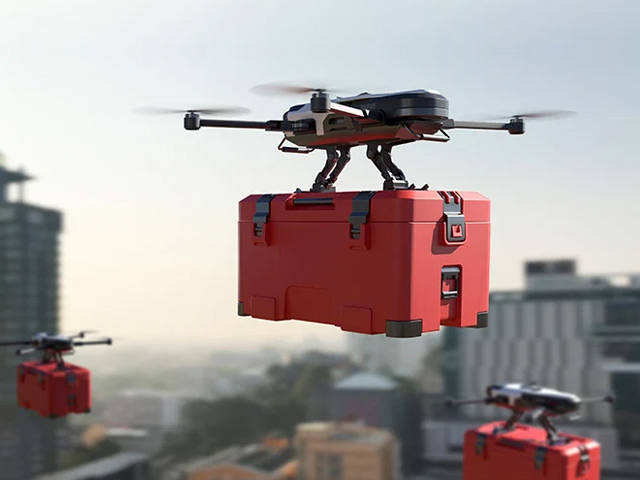
Beyond assessment and rescue, drones have been instrumental in delivering medical supplies to remote or inaccessible areas. In Rwanda, for example, drones have been used to deliver blood and medical supplies to rural health clinics, showcasing their potential in humanitarian efforts.
Urban Disaster Response
Urban centers have also integrated drones into their disaster preparedness strategies. In New York City, lessons from past events like Hurricane Sandy have led to the adoption of drones for various emergency scenarios. Agencies have demonstrated the use of drones to breach storm-damaged buildings, conduct interior searches, and deploy flotation devices to individuals in distress during floods. These applications enhance the city’s ability to respond swiftly and safely to emergencies, minimizing risks to both residents and first responders.
Challenges and Considerations
While the benefits of drones in disaster response are evident, challenges remain. Regulatory hurdles, privacy concerns, and the need for standardized protocols can impede widespread adoption. Additionally, integrating drone operations with traditional response teams requires comprehensive training and coordination to ensure seamless collaboration during crises.
Conclusion
The integration of drones into disaster response frameworks represents a significant advancement in emergency management. Their ability to provide rapid situational awareness, assist in search and rescue, and deliver essential supplies has proven invaluable in recent disaster scenarios. As technology continues to evolve, and as agencies refine their operational protocols, drones are poised to become even more integral to disaster preparedness and response efforts worldwide.
If you’re in need of storm response services or want to discover how Maverick Storm Services remains equipped and on standby, please get in touch with us.


