- 0 views
- By Caroline McNally
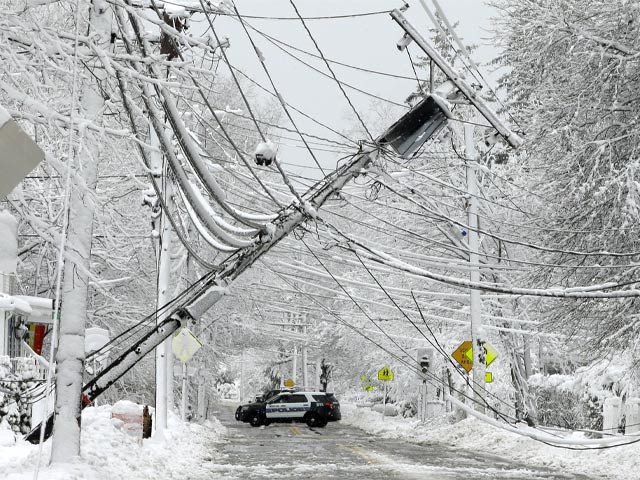
Consecutive snow storms are more than just an inconvenience — they can create compounding and severe risks for utility providers and the communities they serve. When winter systems arrive back-to-back, the damage isn’t simply doubled; it multiplies. Infrastructure that may have survived the first event in weakened condition often fails under the added weight and stress of the second. The result is widespread outages, delayed restoration, and heightened safety concerns that can linger long after skies clear.
One of the most immediate dangers is infrastructure overload. Heavy snow and ice accumulate on already sagging power lines and tree limbs stressed by the initial storm. Ice can add hundreds of pounds of extra weight to lines and poles, increasing tension and causing them to snap. Trees weakened by high winds or ice loading during the first storm become far more likely to fall during the next. Transformers, crossarms, and utility poles face cumulative strain, leading to cascading mechanical failures across distribution networks.
Restoration efforts become significantly more complicated when storms strike in succession. Crews working to repair damage from the first system may be forced to pause when new snowfall, high winds, or freezing rain make conditions unsafe. Deep snow can block rural roads, and icy surfaces make it dangerous for bucket trucks and heavy equipment to operate. If the second storm arrives before full restoration, utilities face a backlog of repairs that grows exponentially, stretching resources thin and prolonging outages for customers.
Extreme cold compounds these issues by threatening the functionality of critical components. Substations, switching equipment, and natural gas infrastructure can freeze or malfunction when temperatures remain below normal for extended periods. Moisture intrusion followed by freezing can damage relays and control systems. In natural gas systems, freezing regulators or blocked lines can interrupt supply. When electricity generation facilities and gas pipelines experience concurrent stress, the reliability of the broader energy system becomes more vulnerable.
The cumulative impact of snow, ice, and wind also creates widespread grid strain. Instead of isolated outages caused by a single fallen line, utilities may face systemic failures across large geographic areas. Transmission lines that carry power over long distances can ice over, limiting capacity. Meanwhile, heating demand surges during prolonged cold spells, pushing energy consumption to peak levels. When supply is constrained and demand spikes, utilities must carefully manage load to avoid rolling blackouts or further instability.
Beyond infrastructure damage, consecutive storms pose serious public safety risks. Extended power outages can freeze residential plumbing, disrupt water treatment facilities, and increase the likelihood of burst pipes. Improper use of backup generators indoors or in enclosed spaces can lead to carbon monoxide poisoning, a common hazard during prolonged winter outages. Downed power lines hidden beneath snow present electrocution risks, while damaged gas lines can create explosion hazards if not quickly identified and secured.
As climate patterns continue to produce more intense and erratic winter weather events, resilience planning becomes essential. Utilities are increasingly investing in grid hardening measures such as undergrounding lines, strengthening poles, expanding vegetation management, and deploying smart grid technologies that isolate faults more quickly. Improved forecasting and mutual aid agreements between regions also help utilities respond more efficiently when storms stack up. Still, consecutive snow events remain uniquely challenging — not because of a single burst of winter fury, but because of the cumulative strain they place on systems designed for resilience, yet tested by repetition.
If you’re in need of rapid storm response services, emergency utility repairs, or infrastructure restoration, Maverick Storm Services is ready to mobilize. Our experienced crews specialize in restoring power, communications, and critical utility systems following severe weather events, ensuring communities and businesses can recover quickly and safely.
We remain fully equipped and on standby year-round with storm-hardened utility crews, advanced equipment, and proven response protocols. From downed power lines and damaged substations to fiber, wireless, and grid infrastructure repairs, our team is prepared to deploy at a moment’s notice to support utilities, municipalities, and private operators during and after major storms.
To learn more about our storm preparedness capabilities, disaster recovery services, or to request immediate assistance, contact Maverick Storm Services today. Our commitment to safety, reliability, and rapid response makes us a trusted partner in utility storm restoration and emergency response operations.


