- 0 views
- By Caroline McNally
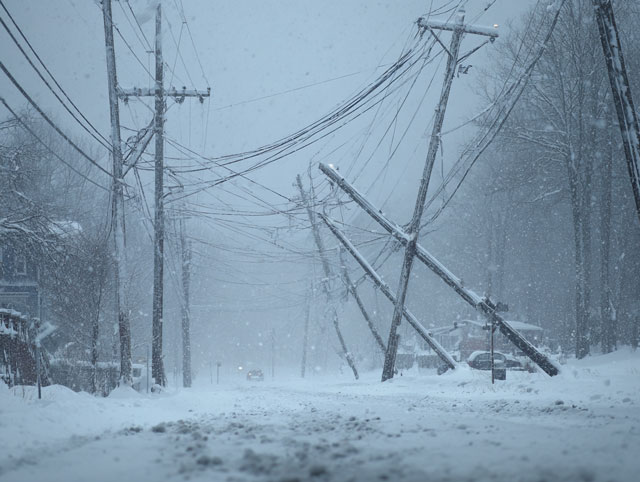
New England was hit with its first major snowstorm of the season this week, bringing heavy, wet snow to some areas and a messy wintry mix to others. While residents shoveled out and road crews pushed through cleanup, the storm served as a clear reminder that winter weather doesn’t just snarl travel — it puts intense pressure on utility infrastructure. For storm-response teams, this kind of system is a preview of what the colder months can bring: overloaded lines, failing equipment, and dangerous conditions that require rapid, skilled intervention.
Snow and Ice Overload Power Lines
One of the first things to fail during a snowstorm is overhead power lines. Heavy, moisture-rich snow and layers of ice can drastically increase the weight on these lines, causing them to sag, detach, or snap entirely. Ice buildup is especially destructive, adding pounds of extra stress to lines and poles that were never designed to handle such loads. When the failure is widespread, whole neighborhoods can lose power instantly.
Trees and Overhanging Branches Become Major Hazards
Snow and ice accumulation on trees can turn even healthy limbs into dangerous projectiles. When branches break under the weight, they often fall directly onto utility lines and transformers. Rural and suburban areas with older or overgrown vegetation experience the most outages during winter storms. Strong winds only worsen the risk, turning weakened limbs into major outage triggers.
Aging Utility Infrastructure Reaches a Breaking Point
Much of the distribution system across the country is aging, and winter weather exposes its weaknesses. Older poles, transformers, and connectors are more likely to fail when subjected to rapid temperature drops or sudden ice loading. The extreme cold can also make equipment brittle, increasing the likelihood of cracking, arcing, or complete mechanical failure. For utilities, storms highlight the need for ongoing upgrades and winterization.
Wind and Ice Movement Cause Line “Galloping”
During storms with both ice and wind, power lines may begin to “gallop,” or sway dramatically. This movement can cause lines to slap together, stretch beyond tolerance, or disconnect at attachment points. When multiple lines move in unison, they can cause cascading failures up and down the distribution network. These mechanical stresses are some of the hardest to anticipate and often require emergency crews to secure and stabilize the area before repairs can begin.
Downed Lines and Stray Voltage Create Serious Safety Risks
One of the most dangerous byproducts of winter storm damage is the creation of stray voltage. When lines fall — whether across roads, into snowbanks, or onto vehicles — they may remain energized even when not visibly sparking. Snow and slush can conduct electricity unpredictably, creating hidden hazards for pedestrians, pets, and plow operators. Stray voltage incidents are among the top priorities for storm-response teams, who work quickly to de-energize and isolate affected sections of the grid.
Prolonged Outages Cause Secondary Damage for Homes and Businesses
Winter outages are often longer than summer ones, and the consequences can be more severe. Without electricity, heating systems fail, pipes begin to freeze, and essential services shut down. Homeowners may experience burst pipes, water damage, and extended displacement. Businesses, especially those relying on refrigeration or heating, may face costly downtime. Storm-response crews race the clock not just to restore power, but to prevent these wider impacts.
How Utility Storm-Response Professionals Protect Communities
The key to minimizing storm damage lies in preparation and rapid, coordinated response. Vegetation management, equipment inspections, and infrastructure reinforcement all play a role in reducing winter outages. When storms strike, dedicated crews are deployed to assess hazards, remove downed trees, repair damaged lines, and eliminate stray voltage threats. For utilities, partnering with specialized storm-response service providers ensures safer operations, faster restoration times, and greater protection for the public.
If you’re in need of storm response services or want to discover how Maverick Storm Services remains equipped and on standby, please get in touch with us.


