- 0 views
- By Caroline McNally
Over the past month, New England has experienced a series of significant snowstorms, underscoring the critical need for businesses in the region to be well-prepared for winter weather challenges. Severe winter conditions can disrupt operations, endanger employees, and impact profitability. To mitigate these risks, consider implementing the following strategies:
- Assess Winter Weather Risks
Begin by identifying potential winter-related threats to your business, such as heavy snowfall, icy conditions, power outages, and freezing pipes. Understanding these risks allows you to prioritize and address them effectively.
- Fortify Your Physical Premises
Ensure your facilities are equipped to handle winter conditions:
Structural Integrity: Inspect roofs for the ability to bear heavy snow loads and reinforce as necessary.
Pipe Maintenance: Insulate pipes to prevent freezing and potential ruptures.
Safety Systems: Regularly test heating systems, smoke alarms, and carbon monoxide detectors to ensure functionality.
- Develop a Comprehensive Emergency Plan
Create a plan that outlines procedures for various winter emergencies:
Communication Protocols: Establish clear channels to inform employees and stakeholders about operational changes or closures.
Remote Work Policies: Equip staff with the necessary tools and access to work from home if travel becomes hazardous.
Supply Chain Coordination: Communicate with suppliers and clients about potential delays and have contingency plans in place.
- Equip for Winter Emergencies
Stock essential supplies to manage during and after a storm:
Emergency Kits: Include items like blankets, non-perishable food, water, flashlights, first aid supplies, and battery-operated radios.
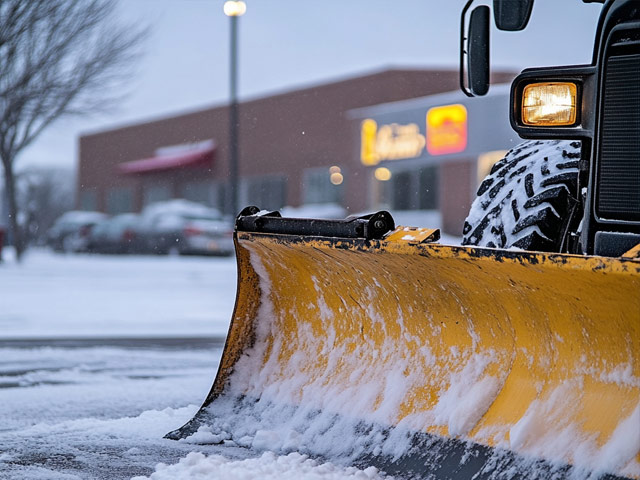
Snow Removal Tools: Ensure availability of shovels, snow blowers, and de-icing materials to maintain safe access to your premises.
Power Solutions: Consider investing in backup generators to keep critical systems operational during outages.
- Maintain Accurate Inventory Records
Keep detailed records of your inventory:
Documentation: Regularly update lists of equipment, products, and other assets.
Photographic Evidence: Take photos of valuable items to assist with insurance claims if damage occurs.
- Review and Update Insurance Policies
Ensure your insurance coverage aligns with potential winter hazards:
Policy Inclusions: Verify that protections against winter-related damages, such as those from snow, ice, and freezing temperatures, are included.
Coverage Limits: Assess whether your coverage limits are sufficient to handle potential losses.
By proactively addressing these areas, businesses can enhance their resilience against winter storms, ensuring safety for employees and continuity of operations despite the challenges posed by severe weather.
If you’re in need of storm response services or want to discover how Maverick Storm Services remains equipped and on standby, please get in touch with us.


